Last Updated on October 1, 2026 | Published: October 1, 2026 published by Jenny Tomei
Students Skipping Breakfast and Lunch at School: What Teachers Need to Know
A pupil who hasn’t eaten all day rarely announces it. More often, it shows up as something else: a student who can’t settle, snaps at a friend, stares at the same line of a worksheet for ten minutes, or asks to go to the wellbeing room with a headache. By the time anyone asks, “Have you eaten today?”, the answer has often been “no” for hours.
Skipping breakfast and lunch at school is very common, and I am seeing it at almost every school I speak in! Sometimes it’s not serious, but sometimes it is! Sometimes the reason is practical. Sometimes it’s about body image or anxiety. And sometimes, as I’ve seen first-hand, it’s linked to neurodiversity that no one has yet recognised.
This guide is written for teachers, school counsellors, PSHE leads and pastoral staff. It looks at why pupils skip meals, why neurodivergent and possibly undiagnosed students can be particularly affected, and what you can do in the classroom and across the school to help.
A conversation at a school stand
I was recently in a school with a stand, talking to students about healthy eating and body image. These sessions are informal by design. Pupils wander over, pick up a leaflet, ask a question, and move on. Every so often, someone stays a little longer.
One student came up to me and told me they were feeling overwhelmed. As we talked, it came out that they hadn’t eaten. They described struggling to focus in lessons and finding school hard to keep up with. Nothing they said was dramatic, but everything they said fitted together: no food, no fuel, no focus, and a growing sense that they were falling behind without understanding why.
What stood out to me was that the not-eating wasn’t a choice driven by wanting to change their body. It looked much more like a pupil whose day was running away from them. Some of what they described made me wonder about possible undiagnosed ADHD. That’s not something I, or any teacher, can diagnose, and it wasn’t my place to label them. But it was a reminder of how easily food, focus, and neurodiversity become tangled together, and how easily a pupil like this can slip through the gaps.
I happened to be in right place at the right time to support this student. So the question for schools is: how do we make sure the teachers spot these signs early?
Why students skip breakfast and lunch at school
There is rarely a single reason. It helps to hold several possibilities in mind rather than jumping to conclusions.
Practical and routine reasons
- rushed mornings, early buses or long journeys to school
- not feeling hungry first thing in the morning
- Neurodiversity – unable to recognise hunger signals due to overwhelm and anxiety
- Long lunch queues, short lunch breaks, or lunchtime clubs, detentions and catch-up sessions eating into the time
- forgetting lunch money, packed lunches or a charged card
- Not liking what’s on offer, or not knowing what’s in it
Financial reasons
Some families are struggling to afford food. A pupil may not want anyone to know, may feel embarrassed about free school meals, or may be skipping so a sibling can eat. This is a safeguarding and wellbeing consideration in its own right, and should be handled sensitively and in line with your school’s policies.
Social and emotional reasons
- the dining hall feels loud, crowded or socially exposed
- not having anyone to sit with
- anxiety, low mood or stress making food feel unappealing
- worrying about being watched or judged while eating
Body image and disordered eating
For some pupils, skipping meals is linked to wanting to change their body, feeling guilty about eating, or following rigid food rules they’ve picked up online or from peers. This is where skipping meals can become an early warning sign of disordered eating, and where early, calm intervention matters most.
Neurodiversity
This is the reason most often missed, and it deserves its own section.
Neurodiversity, undiagnosed ADHD and food at school
Neurodivergent pupils, including those with ADHD or autism, and those who haven’t been identified yet, can find eating at school harder for reasons that have nothing to do with appetite or body image.
ADHD and forgetting to eat
Many people with ADHD describe forgetting to eat, not noticing hunger until it’s intense, or becoming so absorbed, distracted or overwhelmed that food simply doesn’t happen. For a pupil with undiagnosed ADHD, a chaotic morning, a busy lunchtime and a head full of things to remember can easily add up to a day with no food at all.
Then the knock-on effects appear: poorer concentration, irritability, feeling overwhelmed, and finding it harder to manage emotions. These can look like “ADHD behaviour” or “poor attitude”, when part of the picture is simply a pupil running on empty.
Autism, sensory needs and the dining hall
Autistic pupils, and pupils with sensory sensitivities, may find the dining hall overwhelming because of noise, smells, crowds, lighting or unpredictability. Some pupils eat a narrow range of foods they feel safe with, and a change to the menu or packaging can mean they eat nothing.
[Fact-check before publishing: if you want to mention ARFID (Avoidant/Restrictive Food Intake Disorder) as distinct from other eating disorders, please confirm wording against NHS or BEAT guidance.]
Why “undiagnosed” matters
Pupils who already have a diagnosis may have support in place. Pupils who don’t are often the ones labelled as disorganised, lazy, moody or disruptive. If a pupil regularly isn’t eating, and is also struggling with focus, organisation or overwhelm, it’s worth sharing your observations with your SENCo as well as your pastoral team. You don’t need to name a condition. You just need to describe what you’re seeing.
Signs a student may not be eating at school
No single sign proves anything, and many have other explanations. Look for patterns and changes from how a pupil usually presents:
- regularly not seen in the dining hall, or leaving food untouched
- saying “I’m not hungry” or “I forgot” most days
- tiredness, headaches or dizziness, especially later in the day
- difficulty concentrating, particularly before lunch and in the afternoon
- irritability, tearfulness or feeling overwhelmed
- frequent trips to the medical room
- spending lunchtime in the library, toilets or corridors, avoiding the dining hall
- comments about food being “bad”, “unhealthy” or needing to be earned
- noticeable changes in mood, energy or friendships
Tips for teachers: how to respond when a pupil isn’t eating
Ask gently, and without judgement
A simple, private “Have you had a chance to eat today?” is often enough to open a conversation. Avoid asking in front of peers, and avoid sounding like you’re checking up on them.
Focus on how they feel, not what they look like
Never comment on a pupil’s weight, shape or size, even positively. Keep the focus on energy, concentration and wellbeing: “You seem really tired today. How are you doing?”
Get curious about the reason
Try to understand what’s getting in the way. Is it time, money, the dining hall, forgetting, anxiety, or something about food itself? The answer shapes the response. A pupil who forgets needs a different kind of support from a pupil who is avoiding food on purpose.
Avoid “good” and “bad” food language
Language that labels foods as good, bad, clean or junk can reinforce guilt and rigid rules, especially for pupils already vulnerable to disordered eating. Talk about food as fuel for learning, energy and enjoyment.
Make eating easier, not more pressured
- make water available and allow snacks in lessons where your school policy permits
- Signpost breakfast clubs and free school meals discreetly
- Offer or suggest a quieter space to eat for pupils who find the dining hall overwhelming
- avoid keeping pupils back through the whole of lunch for detentions or catch-up
- Consider whether lunchtime clubs leave enough time to eat
Support neurodivergent pupils with structure
For pupils who forget to eat, small, practical supports can help: a reminder from a trusted adult, a consistent place to go at lunch, or a regular check-in. Work with the pupil and, where appropriate, their family to find what works for them.
Record and share what you notice
Write down patterns, not just one-off moments. Share concerns with your pastoral lead, DSL or SENCo in line with your school’s policies. Several staff each noticing one small thing can add up to a clear picture.
Involve parents and carers
Parents may not know their child isn’t eating at school, or may have noticed changes at home. Approach the conversation as a partnership rather than a concern about their parenting.
Know when to escalate
If not eating is persistent, worsening, accompanied by physical changes, secrecy, distress around food, or comments about weight and body shape, follow your school’s safeguarding and referral routes and encourage the family to speak to their GP.
What schools can do at a whole-school level
- review lunchtime timings, queues and dining hall layout with pupil voice in mind
- build body image, nutrition and wellbeing into PSHE in a balanced, non-shaming way
- train all staff, not only pastoral teams, to recognise early signs
- make sure the link between food, focus and neurodiversity is part of SEND conversations
- create visible, low-pressure opportunities for pupils to talk to a trusted adult
That last point is one I’ve seen make a real difference. A stand in a corridor, a drop-in session or a workshop gives pupils permission to start a conversation they might never have started in a classroom.
How JenUp can support your school
At JenUp, we focus on early intervention and prevention of eating disorders. We work with schools to help students, parents and staff understand the connection between food, body image, wellbeing and learning. Support can include:
- Student workshops on body image, nutrition, eating disorder awareness and looking after yourself
- Staff training on SEND and eating disorders/disordered for teachers, pastoral teams and school counsellors on spotting early signs and responding with confidence
- Parent workshops on how to support a young person who is struggling with food or body image
- In-school stands and drop-in sessions, giving pupils an informal, safe way to ask questions, like the one where the student above came to talk to me
- Keynote talks and assemblies drawing on my professional experience and my own recovery journey
- Signposting to one-to-one support where a pupil or family needs more than a school can provide on its own
Some of our school work is funded through JenUp Community C.I.C., so please get in touch to find out what may be available for your school.
FAQs
Is it normal for teenagers to skip breakfast? Many teenagers don’t feel hungry first thing, and occasionally skipping breakfast isn’t necessarily a concern. It becomes worth attention when it’s a regular pattern, combined with skipping lunch, or accompanied by tiredness, poor concentration, distress or negative comments about food or their body.
Could a student not eating at school be a sign of an eating disorder? It can be, but it isn’t always. Pupils skip meals for many reasons, including time, money, anxiety, sensory overwhelm or forgetting. Look for patterns, changes, and signs such as guilt around eating, rigid food rules or body-focused comments, and follow your school’s safeguarding routes if you’re concerned.
How is ADHD linked to not eating? Some people with ADHD describe forgetting to eat, not noticing hunger, or being too distracted or overwhelmed to stop and eat. For pupils whose ADHD hasn’t been identified, this can go unnoticed and add to difficulties with focus and emotional regulation.
Should teachers suggest a pupil might have ADHD? No. Teachers can’t diagnose, and labelling a pupil can be unhelpful. Instead, describe what you’ve observed to your SENCo and pastoral team, and let the appropriate professionals and family take it from there.
What should I say to a pupil who tells me they haven’t eaten? Stay calm and kind. Thank them for telling you, help them get something to eat if you can, and gently explore what got in the way. Then share what you’ve learned with the relevant staff in line with your school’s policy.
What if the dining hall is the problem? For some pupils, particularly neurodivergent pupils, noise, crowds and unpredictability make eating in the dining hall very difficult. A quieter alternative space, even occasionally, can make a big difference.
Related reading on JenUp
- Our Workshops page, for student, staff and parent sessions on body image, nutrition and eating disorder awareness
- Our 1:1 Eating Disorder Specialist Coaching page, for families who need more individual support
- Our Tools and Resources page, with material to share with staff and parents
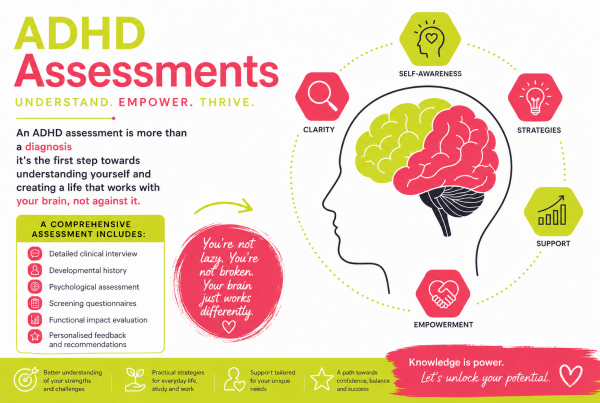
- Our blog with David Wharton on private ADHD assessments [add URL], for staff wanting to understand the assessment picture
- The full JenUp Podcast and Blogs library
A final word
A pupil who hasn’t eaten is not a “difficult” pupil. They are a young person trying to learn, concentrate and manage their emotions without the fuel to do it. Sometimes the reason is simple and easily fixed. Sometimes it points to something bigger, whether that’s financial pressure, body image, or neurodiversity that no one has recognised yet.
The student who came to my stand didn’t need a lecture about healthy eating. They needed someone to notice, to listen, and to help them take the next step. Every teacher can be that person.
If you’d like JenUp to support your school with student workshops, staff training, parent sessions or an in-school stand, get in touch via jenup.co.uk, or follow us on Facebook and Instagram at Jenup Community or email me at info@jenup.com.