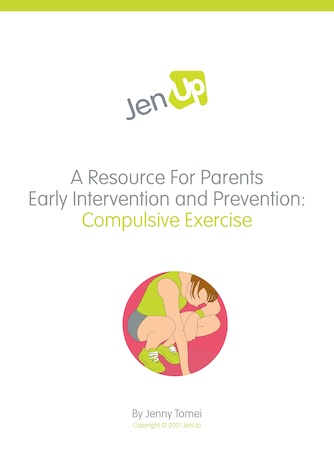
Recognise the Early Signs of Compulsive Exercise
If you’re looking for a body image worksheet that’s practical, supportive and easy to use, this free printable body image PDF is designed to help young people build a healthier relationship with their body. It can be used in schools (PSHE, tutor time, mentoring, wellbeing groups),or at home.
Exercise is an important part of a healthy lifestyle, supporting both physical and mental wellbeing. However, when exercise becomes obsessive, rigid or driven by fear rather than enjoyment, it can become harmful.
Compulsive exercise, also known as exercise addiction, is commonly linked with eating disorders, body image concerns and anxiety. It can affect children, teenagers and adults, yet the warning signs are often overlooked. It’s something that I also personally suffered with myself for many years, and this is why I am passionate about early intervention.
This free guide has been created to help parents, teachers, coaches and professionals recognise the early signs of compulsive exercise and understand when additional support may be needed.
What is Compulsive Exercise?
Compulsive exercise is an overwhelming urge to exercise, even when it negatively affects a person’s health, relationships or daily life. Rather than exercising for enjoyment, exercise becomes something they feel they must do.
Someone experiencing compulsive exercise may continue training despite illness, injury or exhaustion. Missing a workout may trigger feelings of guilt, anxiety or distress.
Although exercise addiction is not recognised as a standalone diagnosis in the DSM-5-TR, it is widely recognised as a behavioural addiction and is often associated with eating disorders, perfectionism, anxiety and body image concerns.
The Physical Effects of Excessive Exercise
Exercising without enough rest or nutrition can affect both physical and mental health.
Possible consequences include:
- Fatigue and burnout
- Recurrent injuries
- Hormonal disruption
- Loss of menstrual periods
- Reduced bone density
- RED-S (Relative Energy Deficiency in Sport)
- Digestive problems
- Weakened immune system
A healthy exercise routine includes adequate recovery, flexibility and proper nutrition.
Compulsive Exercise, Social Media and Body Image
Social media can encourage unrealistic body ideals and the belief that exercising more is always better.
For some young people, exercise becomes focused on changing appearance rather than improving health. This can increase body dissatisfaction, perfectionism and unhealthy exercise behaviours. I also see in young people an increased desire to build more muscle… but only for appearance-related reasons.
A healthy relationship with movement should be enjoyable, flexible and support overall wellbeing rather than being driven by guilt or appearance.
How Parents Can Help
Parents can play an important role in encouraging a balanced approach to exercise.
Helpful strategies include:
- Encourage regular rest days.
- Avoid focusing on weight or appearance.
- Praise effort, enjoyment and wellbeing.
- Ask open questions without judgement.
- Encourage healthy coping strategies for stress.
- Promote balance between exercise, friendships and hobbies.
Seek professional support if exercise begins affecting physical or emotional wellbeing.
FAQs
What is considered exercise addiction?
Exercise addiction, sometimes called compulsive exercise, is a pattern of behaviour where exercise becomes an unhealthy obsession rather than an enjoyable part of a balanced lifestyle. A person may continue exercising despite injury, illness or exhaustion and often experiences guilt or anxiety when unable to exercise. Although it is not recognised as a standalone diagnosis in the DSM-5-TR, it is widely recognised as a behavioural addiction and is frequently associated with eating disorders and body image concerns.
How can I stop exercising excessively?
If exercise has become compulsory rather than enjoyable, introduce planned rest days, ensure you are eating enough to support your activity levels and challenge rigid exercise rules. If reducing exercise feels overwhelming, seek support from a healthcare professional or eating disorder specialist.
How much exercise per day is too much?
There is no set number of hours that defines excessive exercise. Instead, consider whether exercise is affecting your physical health, mental wellbeing or relationships. Exercise may be unhealthy if you continue despite pain, injury, fatigue or significant disruption to everyday life.
Can too much exercise cause depression?
Excessive exercise does not directly cause depression, but overtraining, inadequate nutrition and poor recovery can contribute to low mood, emotional exhaustion and burnout. Compulsive exercise may also be used to cope with anxiety, stress or depression, making it important to address the underlying cause.
Download Your Free Compulsive Exercise PDF
This free PDF explains the early signs of compulsive exercise, the physical and emotional risks, and practical ways parents, schools and coaches can support young people.
✔ Recognise the warning signs
✔ Understand the risks
✔ Support early intervention
Need Additional Support?
If you’re worried about a young person’s relationship with exercise, food or body image, early support can make a significant difference.
Jenny Tomei provides:
- Parent consultations
- Eating disorder support
- School workshops
- Staff awareness training
- Student wellbeing programmes
Contact: info@jenup.com
Copyright © Jenup Community CIC 2026. All rights reserved.
Schools are welcome to download, print and use this resource internally with pupils and staff for educational purposes.
This resource may not be sold, edited, rebranded, or redistributed (including uploading to public websites or sharing outside your school/trust) without written permission from Jenup Community CIC.