Understand the Early Signs of Disordered Eating and Download Your Free Parent Guide
Many parents notice changes in their child’s eating habits but are unsure whether these behaviours are a normal part of growing up or a sign that something more serious is developing.
Disordered eating is becoming increasingly common in children and teenagers. While it is not the same as an eating disorder, it can affect a young person’s physical health, emotional wellbeing and relationship with food. Without early support, disordered eating can sometimes develop into a clinical eating disorder.
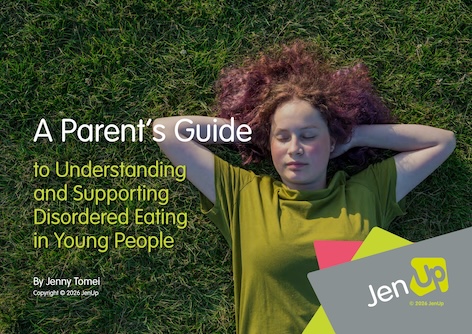
This free Parent’s Guide to Understanding and Supporting Disordered Eating in Young People explains the early warning signs, common causes and practical ways you can support your child with confidence. Whether you’re concerned about your child’s eating habits, anxiety around food or changes in their relationship with eating, this guide will help you understand what to look for and when to seek support.
DOWNLOAD THE GUIDE FOR PARENTS (PDF)What is Disordered Eating?
Disordered eating describes unhealthy eating behaviours that may not meet the criteria for a diagnosed eating disorder. These behaviours can include skipping meals, cutting out food groups, feeling anxious about eating, following rigid food rules or becoming overly focused on healthy eating.
Unlike eating disorders such as anorexia nervosa or bulimia nervosa, disordered eating is not a clinical diagnosis. Instead, it sits on a spectrum of eating-related difficulties. However, these behaviours should never be ignored, as they may indicate that a young person is struggling emotionally or attempting to cope with stress, anxiety or low self-esteem.
Recognising these behaviours early gives families the opportunity to provide support before they become more deeply established.
Early Signs of Disordered Eating
Disordered eating often develops gradually, making the early signs easy to miss.
Common warning signs include:
- Skipping meals or eating irregularly.
- Avoiding certain food groups.
- Anxiety around eating with other people.
- Developing strict food rules.
- Frequently checking body shape or weight.
- Digestive problems without a clear medical cause.
- Low energy or tiredness.
- Mood changes or increased irritability.
- Avoiding social situations involving food.
- Becoming secretive about eating.
Early behavioural changes are often more important than weight changes alone.
Disordered Eating and SEND
Some children and young people with ADHD, autism, sensory processing differences or anxiety experience long-standing eating differences. These may include eating only certain foods, strong sensory preferences or distress when routines change.
These patterns are not automatically an eating disorder, particularly when they are not linked to body image or fear of weight gain. However, parents should seek further advice if they notice increasing concerns about weight, calorie counting, body checking, compulsive exercise or significant dietary restriction.
Understanding the difference between SEND-related eating differences and disordered eating can help families access the right support sooner.
Why is Disordered Eating Increasing?
Young people today face increasing pressure from social media, academic expectations, appearance ideals and comparison culture. Many also experience anxiety around eating at school, busy dining halls or fear of being judged by others.
Missing meals can affect concentration, mood, energy levels and learning. For some young people, controlling food becomes a way of coping with stress or difficult emotions rather than hunger.
How to Support Your Child
If you’re concerned about your child’s eating habits, approach the conversation with calm, curiosity and compassion.
Helpful strategies include:
- Focus on your child’s wellbeing rather than weight.
- Ask open questions without judgement.
- Avoid labelling foods as “good” or “bad”.
- Encourage regular meals and snacks.
- Eat together where possible.
- Avoid commenting on body shape or appearance.
- Reinforce that food provides energy, growth and enjoyment.
- Seek professional advice if concerns continue.
Remember, the goal is to strengthen connection and understanding, not to solve everything in one conversation.
FAQs
What is disordered eating?
Disordered eating refers to unhealthy eating behaviours such as skipping meals, restricting foods, irregular eating patterns or anxiety around food. Although it is not a diagnosed eating disorder, it can affect physical and emotional wellbeing and may progress into an eating disorder if left unaddressed.
Is food anxiety an eating disorder?
Not necessarily. Food anxiety describes feelings of worry, fear or stress around eating, food choices or mealtimes. While food anxiety can occur alongside eating disorders such as anorexia nervosa, bulimia nervosa or ARFID, it can also exist on its own or be linked to anxiety, autism, ADHD, sensory differences or other mental health challenges.
If food anxiety leads to regularly skipping meals, avoiding certain foods, restricting eating or significant distress around food, it’s important to seek support early. Addressing these concerns promptly can help prevent disordered eating behaviours from becoming more established.
What is it called when you are hungry but don't want to eat?
Feeling hungry but not wanting to eat can happen for many reasons. It may be linked to stress, anxiety, low mood, illness or sensory sensitivities, and it does not automatically mean someone has an eating disorder. However, if a young person regularly ignores hunger, skips meals, feels anxious about eating or avoids food because of worries about weight, body image or control, it could be a sign of disordered eating or, in some cases, an eating disorder.
If these behaviours continue or begin affecting your child’s health, mood or daily life, it’s important to seek support early.
Can disordered eating become an eating disorder?
Yes. While not everyone with disordered eating develops an eating disorder, ongoing restrictive eating, body image concerns or increasing emotional distress can increase the risk. Early intervention can help prevent this progression.
When should I seek professional help?
If your child’s eating habits are affecting their physical health, emotional wellbeing, relationships or daily life, or if you notice increasing food restriction, compulsive exercise, body image concerns or significant weight changes, it’s important to seek advice from your GP or an appropriately qualified healthcare professional.
Download Your Free Parent Guide
This free resource has been designed to help parents understand disordered eating, recognise the early warning signs and feel more confident supporting their child.
✔ Learn the early signs of disordered eating
✔ Understand SEND-related eating differences
✔ Support your child’s relationship with food
Need Additional Support?
If you’re worried about your child’s relationship with food, eating habits or body image, early support can make a lasting difference.
Jenny Tomei provides:
- Parent workshops
- Eating disorder and disordered eating support for young people
- School workshops
- Staff awareness training
- Student wellbeing programmes
Whether you’re looking for reassurance, practical advice or professional support, help is available.
Contact: info@jenup.com
Copyright © Jenup Community CIC 2026. All rights reserved.
Schools are welcome to download, print and use this resource internally with pupils and staff for educational purposes.
This resource may not be sold, edited, rebranded, or redistributed (including uploading to public websites or sharing outside your school/trust) without written permission from Jenup Community CIC.