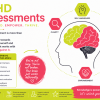
A Free PDF Resource
If you’re looking for a simple resource on symptoms of compulsive exercise and exercise addiction symptoms, this free printable PDF explains what excessive exercise can look like and why it can become harmful. It’s useful for schools, coaches, pastoral teams, and anyone supporting young people who may be pushing their bodies too hard or struggling to rest.
The tone is practical and health-focused. It helps readers notice patterns like exercising through illness or injury, long hours training, and skipping social activities to protect a strict routine, as well as common symptoms of compulsive exercise that can signal risk.
What is The Symptoms of Excessive Exercise PDF?
This JenUp PDF is a short guide that outlines typical indicators of excessive exercise and explains how a strict, obsessive routine can lead to physical and emotional strain. It highlights the difference between exercise as part of a balanced lifestyle and exercise that becomes the top priority at the expense of health and life often seen in exercise addiction symptoms.
What’s included in this excessive exercise PDF?
1) Typical indicators and red flags (symptoms of compulsive exercise)
The PDF lists warning patterns such as ignoring sickness or injury, spending hours in the gym, and skipping social functions when they clash with workouts. These are common symptoms of compulsive exercise, especially when the routine becomes strict and non-negotiable.
2) Digestive issues and gut symptoms
It explains that overly strenuous exercise can contribute to digestive problems through stress responses (including cortisol) and changes in blood flow, which may lead to diarrhoea, bloating, inflammation, and nutritional deficiencies.
3) Aches, pains, injuries and fatigue
The PDF distinguishes normal post-exercise soreness from ongoing muscle/joint pain and repeated injuries. It notes that pushing too hard can increase fatigue and make someone more prone to infections.
4) Menstrual disruption and bone health risk
A key section explains that frequent strenuous exercise combined with very low intake of calories or fat can disrupt the hormones that start the menstrual cycle, leading to amenorrhea. It highlights that this can increase osteoporosis risk, weakening bones and raising fracture risk.
5) Increased stress levels and cortisol effects
The guide describes how pushing the body too far can raise cortisol, which may affect metabolism, contribute to GI distress, and wear down muscle tissue over time.
6) RED-S, burnout, and gut bacteria
It flags that excessive exercise combined with restrictive eating can contribute to RED-S (relative energy deficit in sport) and burnout. It also notes that not eating enough, or cutting out food groups, can disrupt gut bacteria and affect digestion and immunity.
Who is this resource for?
- Schools, pastoral teams and safeguarding leads supporting students who may show exercise addiction symptoms
- Coaches and sports staff who want early warning signs and health-focused education
- Young people and families noticing rigid exercise routines or symptoms of compulsive exercise
When to get extra support
If exercise addiction symptoms or symptoms of compulsive exercise are affecting a young person’s health (injuries, fatigue, missing periods, digestive problems), mood, friendships, or school functioning, seek support early. In schools, follow safeguarding/pastoral procedures and involve the appropriate lead.
FAQs
What are four signs of compulsive exercising?
Four common symptoms of compulsive exercise are: exercising through illness or injury, being unable to take rest days, spending hours exercising, and skipping social events because of workout or routine worries.
What are the warning signs of doing too much exercise?
Warning signs include ongoing aches and pains, frequent injuries, fatigue, increased stress, sleep disruption and digestive issues like bloating or diarrhoea.
How do you know if you are addicted to exercise?
Exercise addiction symptoms often include feeling unable to stop, anxiety or guilt when missing sessions, training becoming the top priority, and continuing even when it harms health, school, relationships, or recovery.
How to avoid exercise addiction?
Build in rest days, fuel adequately, keep exercise flexible (not rule-based), and watch for guilt-driven training. If exercise starts feeling compulsory or harmful, seek support early from a trusted adult, healthcare professional or school wellbeing team.
Download the Symptoms of Excessive Exercise PDF
Copyright © Jenup Community CIC 2026. All rights reserved.
Schools are welcome to download, print and use this resource internally with pupils and staff for educational purposes.
This resource may not be sold, edited, rebranded, or redistributed (including uploading to public websites or sharing outside your school/trust) without written permission from Jenup Community CIC.